|
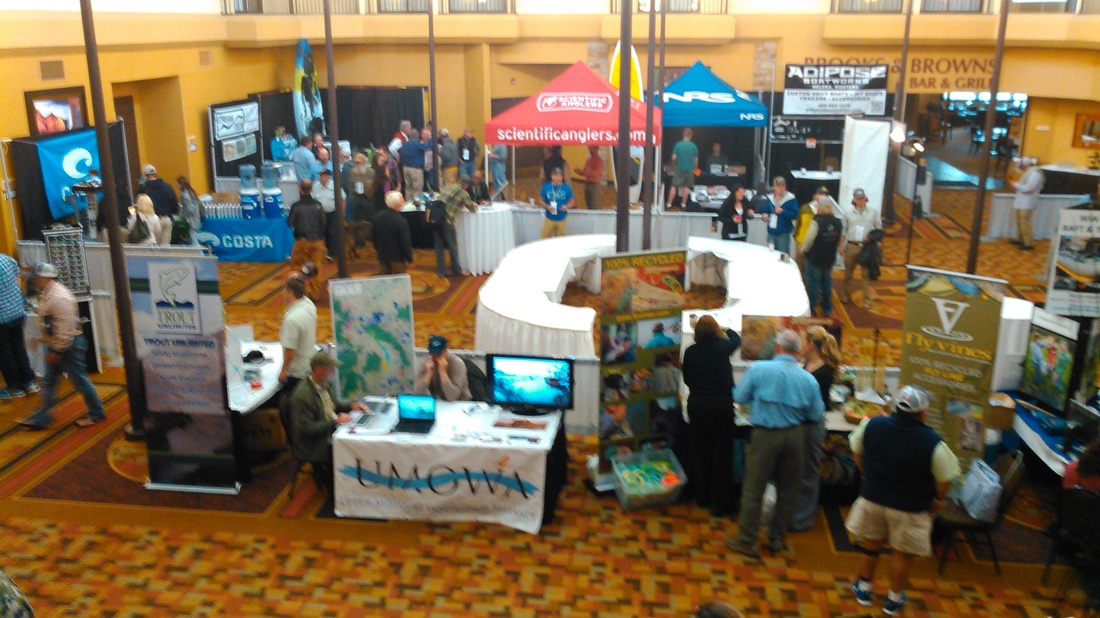
Attended the Orvis Guide Rendezvous in Missoula this past week. Thanks to Tom E. from Orvis for the invite. As a newly endorsed Orvis guide, the Rendezvous was a great experience for meeting so many incredible lodge owners, outfitters and fellow guides. There were excellent presentations on building your business with the help of the Orvis Endorsed Lodges Outfitters and Guides program. Also, some awesome speakers about developing your online business and company culture. Got a little play time in afterward on the Mo...windy and snowing on Sunday, but we got em' pretty good anyway! Thanks goes out to Tommy, and sorry Johnny, I know you've wanted to fish the Land of Giants for a long time. We'll get over there again soon. 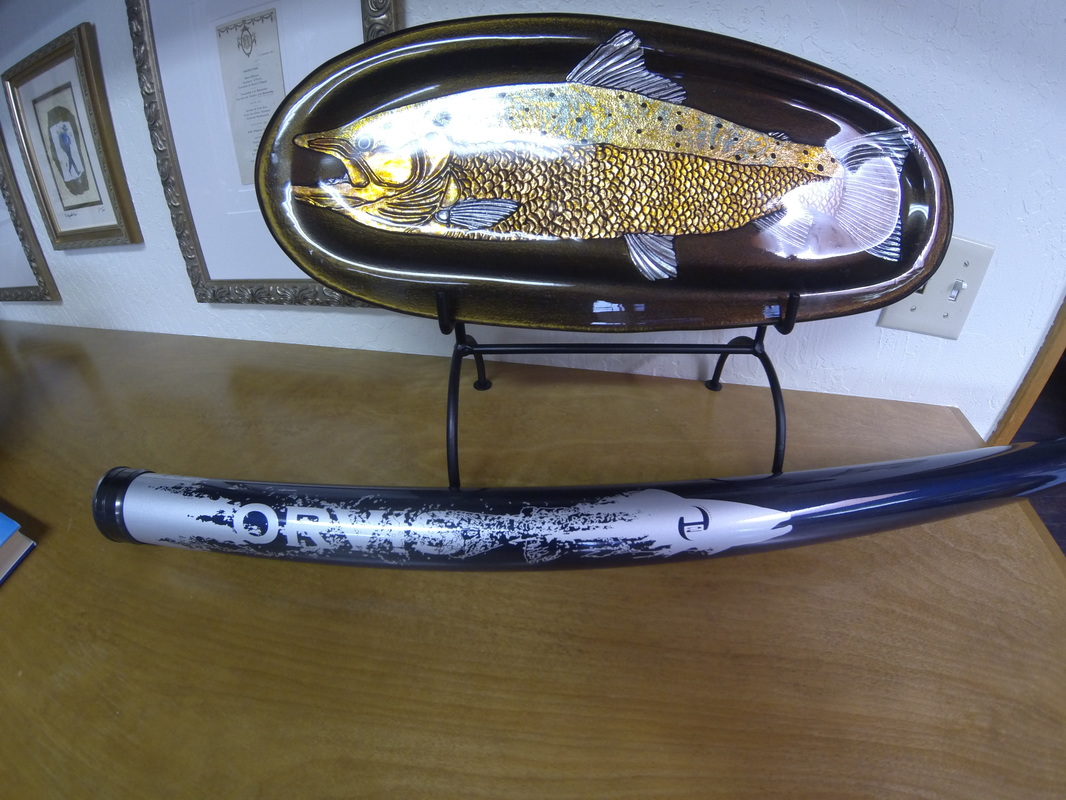 A couple of weeks ago I purchased the Orvis Helios 2 11' 7wt switch rod as a personal stick for nymphing winter run steelhead and swinging flies for summer runs. Right out of the box from Orvis I could tell this rod was no joke...carbon fiber rod tube, finish on the rod is impeccable from the cork...which has virtually no fill material, something that is not uncommon in rods even in this price range, to the crush proof REC recoil guides. The reel seat is supercool carbon fiber with up-locking rings. I lined up this rod with Rio Switch Chucker 7wt line and set out to do a little sight fishing for steelhead. The first test was to see how much tip this rod could handle. So 10 feet of T-11 was in order. A pretty standard tip for winter fish I would usually throw on my 12.5 foot or longer spey rods. WOW, was I surprised, it threw that much tip 70+ feet no problem with excellent turn over and a weighted fly! Laser pointer would be a good description. I've cast comparable rods in this price category and they all track superbly but at over a half an ounce lighter than the offerings from Sage in the One and Method this rod has a much lighter swing rate which makes for less fatigue after several days on the water. It is a little shorter than some other switch rods out there but I did not find that to hinder performance one bit and let's be honest it's all about how it works on the water! I reset up the rod to indicator fish and found it to easily turn over a heavily weighted indicator rig as well with either a roll cast or snake roll. If your looking for a rod to do it all this should definitely be on the SHORT list of options. Orvis...well done. Now when do those Helios 2 spey rods come out? BTW...This rod was super fishy right from the get-go! 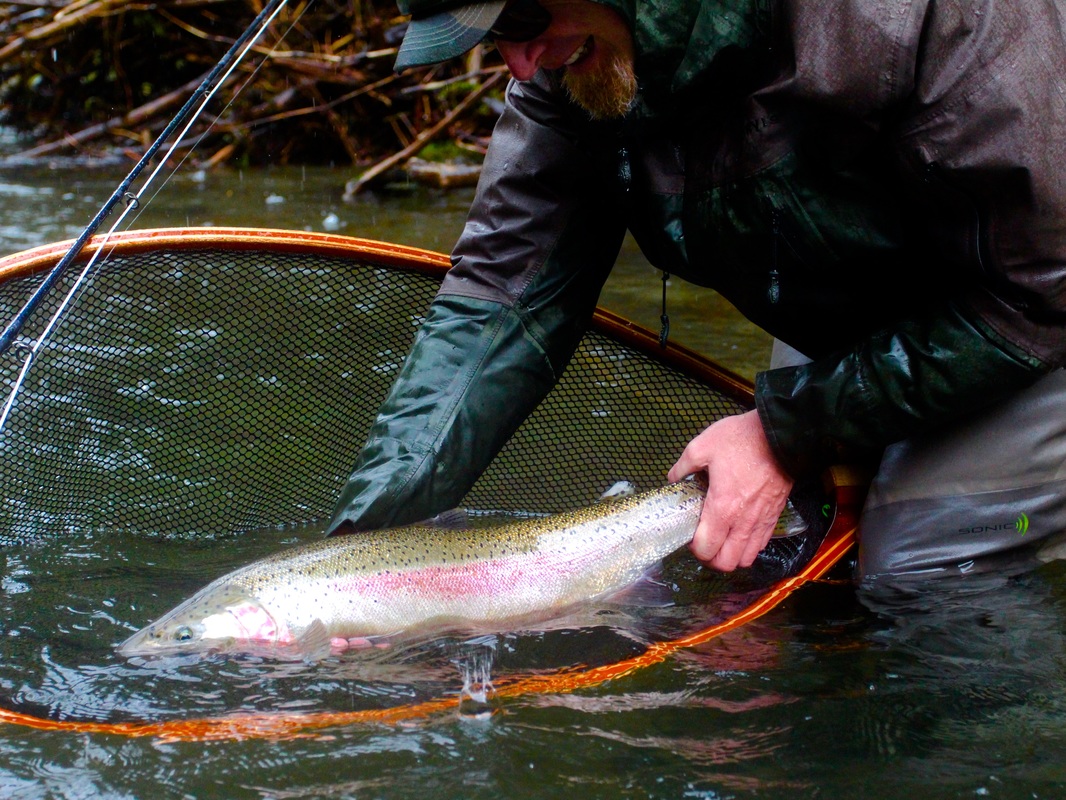 Mending...it seems so simple. I can remember some years back driving home after a tough weekend of fishing on rising water and bad weather. We all know that fishing a river with water coming up can test anyone's fortitude. My buddy made the comment, " I just don't understand why these steelhead have to be so difficult to catch." Know that he had guided in Montana for a number of years and the tougher days of steelhead fishing on the OP were really wearing on him. After much discussion, we made a decision to put every bit of willpower we had into staying in "the game" in terms of indicator fishing the next trip out. That meant perfect positioning and speed of the boat to the drift and the angler's making good casts to the slot. And, most importantly, to achieve a perfect dead drift all the way thru. We also agreed to not get testy when someone on the boat took the time to remind someone of this pact! Now I know that sounds easy enough, but, I can assure you that, more often than not, with anglers new to steelhead fishing I'm repeating all day long...mend it...reset that bobber...stack that cast...keep that rod tip up. Don't feel bad if this sounds like you, we we're all there at some point in our angling life. It requires a lot of effort on the angler's part. However, the rewards more than make up for the tired arms and hands. Our next trip out we nearly doubled the number of takedowns and fish landed in equally difficult conditions...and that extra effort showed up in hard numbers at the end of the day.
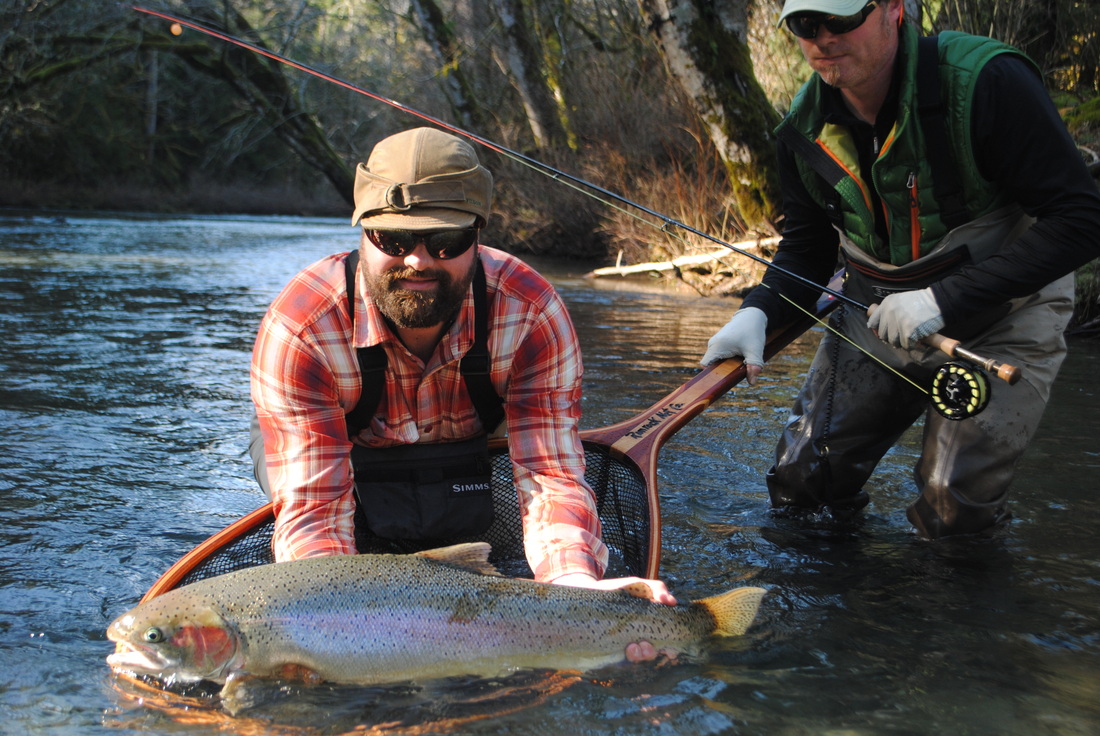
Let's take a look at a couple of things that can help anyone become a better angler whether your fishing a fly rod or not. First, the water on the top is ALWAYS moving faster than the water on the bottom, so your bobber is continually dragging everything up. It's the single biggest reason for not getting a bite. Second, what's worse, the fish see your bobber and fly line go over just prior to meeting his meal or resetting the bobber if there is any drag occurring down driver. A slight lift of the bobber and an upriver mend will re-align everything so that the fish get's to see dinner before the warning siren goes off. This is especially critical when fishing over-pressured fish or in extremely clear water conditions. These basics apply to fly rods with indicators to float rod fisherman and centerpinner's alike. Third, the type of river that your fishing is key with a fly rod to properly mend a line that does not drag in the surface tension and pull you out of the zone. In an alluvial river such as the Hoh, out here on the Olympic Peninsula, is not typically going to be difficult to mend as most of the water is traveling at the same speed. Mending is a pretty simple task - an up river-mend and the occasional bobber reset if it's a little too far down river to properly manage but it's coming into the zone. However, on bedrock rivers here like the Sol Duc or Calawah, there are a lot of current seams around boulder pockets etc. that make it difficult to manage a drag free drift without completely pulling your meal ticket out from in front of that next fish. That's the down side of fishing a fly line - it doesn't afford you the ability to "slice" through the water like a thin mono or braided line does. This is even more evident when your nymphing from shore on these types of rivers. Here are a couple of tips to help in those situations: 1. Try to eliminate as many of the different current seams as possible by utilizing a hi/tall rod tip. This will help usually add a good ten feet of range and also makes that mend easier if you keep a little extra line in your non-rod hand to stack mend with. 2. When you've got a fast current seam between you and the target, it helps to use a series of continuous smaller stack mends than it does one giant mend. Combined with that tall rod tip this will prevent that "s" pattern that will form in the line from multiple surface speeds. 3. When that indicator does go down, make sure that your line hand is moving away from your rod hand hookset to pick up as much line as possible and get tight to that fish. Remember also that with the rod tip high if the fish runs at you it's easy to get the fly line wrapped up around the rod. This has accounted for more than a few broken fly rods. To help with this, throwing some line past the fish and letting him drag that fly line behind will help keep the fish hooked up and allow yourself enough time to get the remainder of the line stripped in and back on the reel! Best Fishes - and call if you want to get in on the action here on the Olympic Peninsula! Keith Allison, Owner Chrome Chaser's Fly Fishing Guide Service 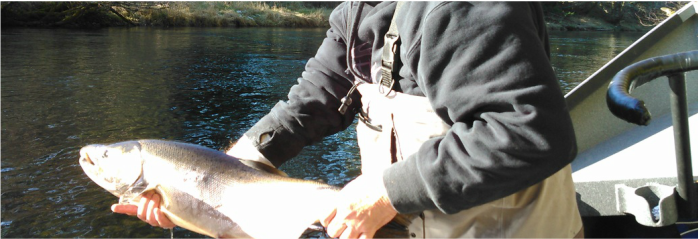 Sol Duc Hatchery Coho The coastal Coho season is still in full swing with ocean bright fish showing up everyday. The weather here on the North coast for the past two weeks has been nothing short of stunning and with the drop in flows pressure is extremely light...like none. Seeing one to no other drift boats per day. We have been twitching them with our custom jigs and casting spinners on the spinning rods. Fly fishing has been a mix of the swung fly, nymphing and twitching lighter jigs. These fish will run up to the end of the month and then we will switch over to hatchery steelhead full time on the Hoh and Bogachiel rivers. Give us a call to schedule a date, retention is up to two wild coho per day and an additional two hatchery fish. We have had 8 to 15 hook-ups per day on average.
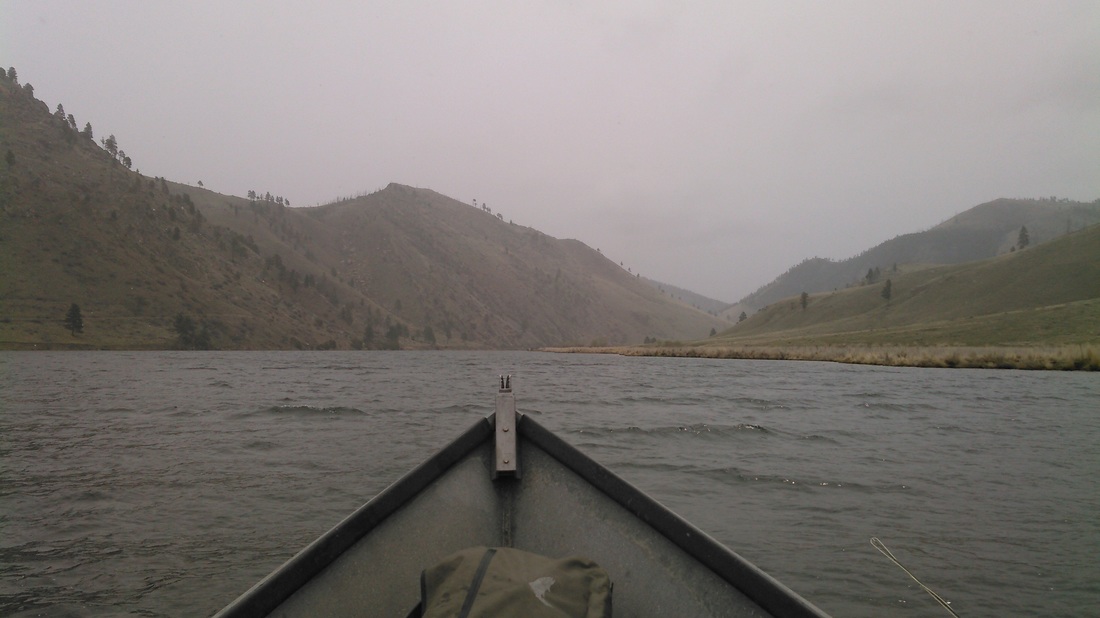
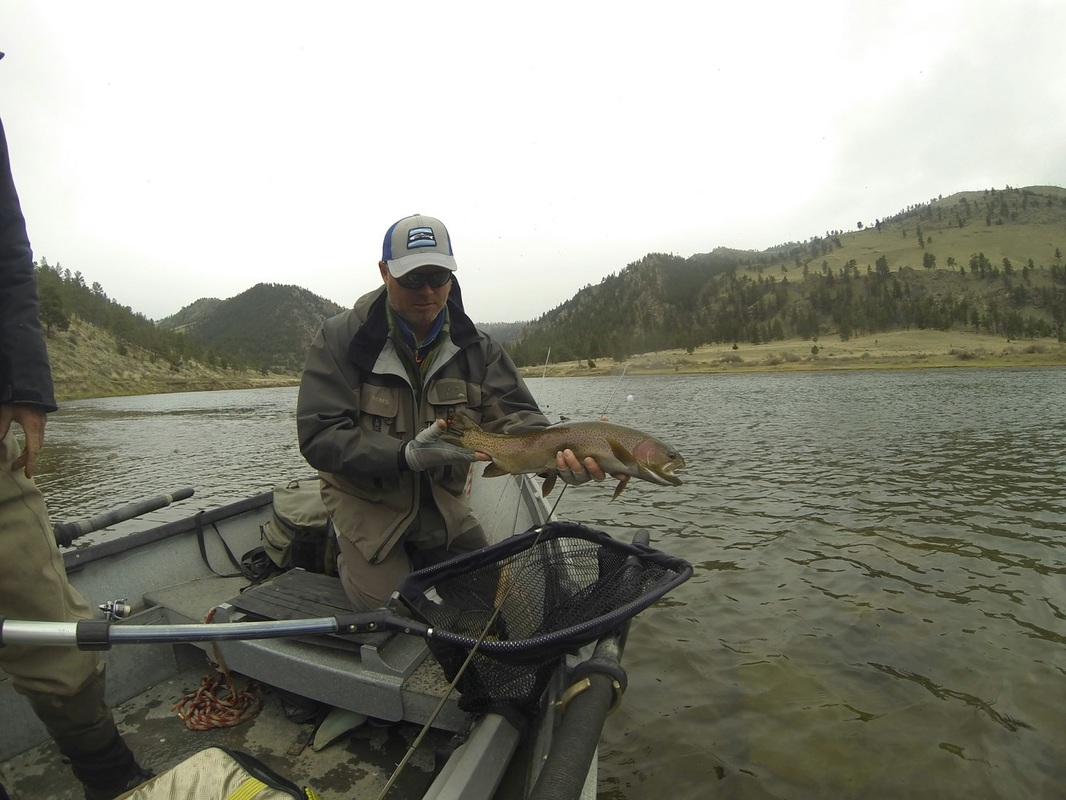
If you've not experienced this fisheries before your really missing out on one of the premier rivers of the Northwest. There was more pressure on the river this year than I have ever seen. The lower stretches were packed with drift boats so we concentrated our efforts in the upper stretches. From late August as this glacial river begins to clear up thru the end of September the Fall Chinook fill this river. Swinging bugs for these monsters is a joy and I've yet to find a harder fighting strain of Kings than the Klickitat. Nymping for steelhead can become difficult at times because there are so many kings in the system. These steelhead are also some of the hardest fighting summerrun's that you'll find anywhere. We guide here from early September until the fall rains finally start to arrive on our home waters of Forks, WA. Call and get your dates booked for next year. 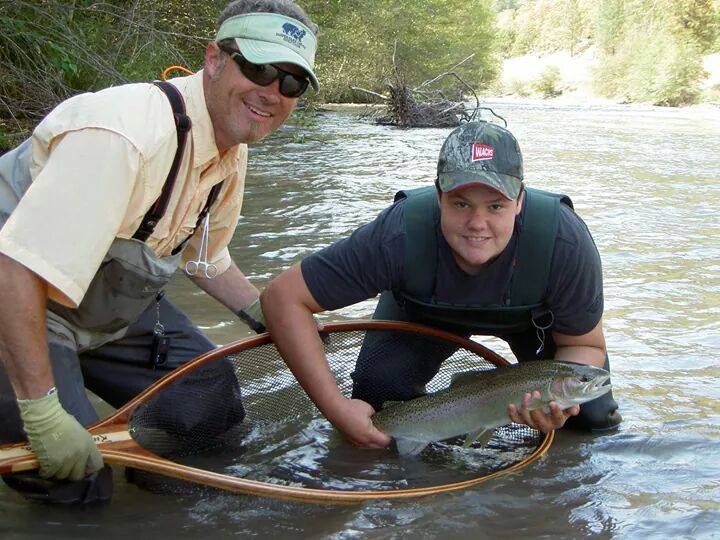 Brayden with his first summerrun steelhead on a fly rod! After a couple of long months of hard work getting the Gig Harbor house to get ready to sell (with much help/support from family and friends) we listed the property on June 20th and had a purchase agreement in place less than 24 hours later. Lori and I spent the next several weeks moving and consolidating two homes into one...yep, a garage sale was in order! Once that was out of the way I took off to MT to fish with friends for ten days. The guide gets guided and it was an exceptional time. Here is a slideshow of just a smidgeon that Montana has to offer! Roll over the image for location/description! Next up...fall kings and steelhead on the Klickitat!
What a beautiful weekend for fishing on the OP, but with such an opportunity to be outside and dry, Lori and I decided to head to the beach and enjoy a few hours of sunshine. With binoculars in hand and some lunch we set out to Rialto to do some whale watching. Word was that over the past few weeks whales had been spotted within 500 feet of First Beach. We didn't find them, but I couldn't imagine anywhere else I would rather be on such a gorgeous day! 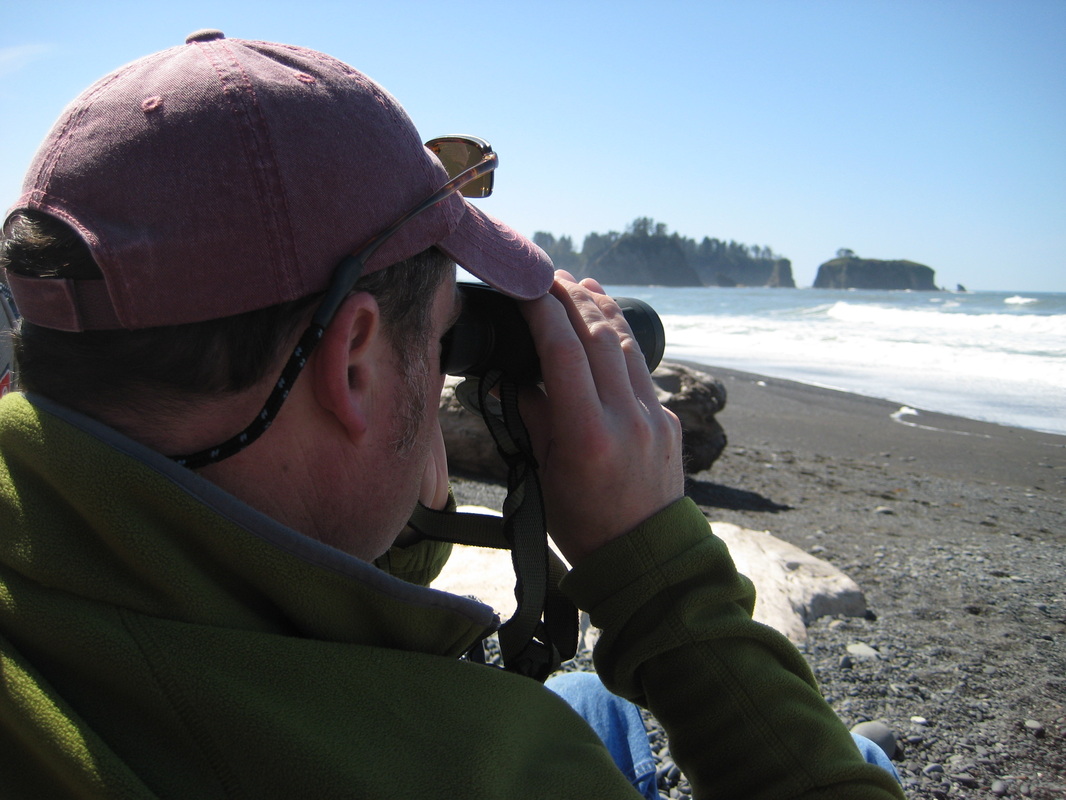
A cut bank fish for Jim on the Bogi, way to go Game Show Host!
As a guide we try to make sure there is an opportunity for the client to catch fish every trip. However, conditions can change dramatically over the course of a day and being focused and prepared when that opportunity arises is paramount. With the river rising fast the fish weren't eating in the usual spots so we started working all of the soft water pockets to try to find fish laying up. There it was, a nice bucket along a cut bank that only fishes well when the water is high. Jim put it in the sweet spot and a few seconds later an aggressive eater was found...at last. With that in mind we found another fish a few minutes later in a similar spot. Nice work and way to be in the moment Jim!
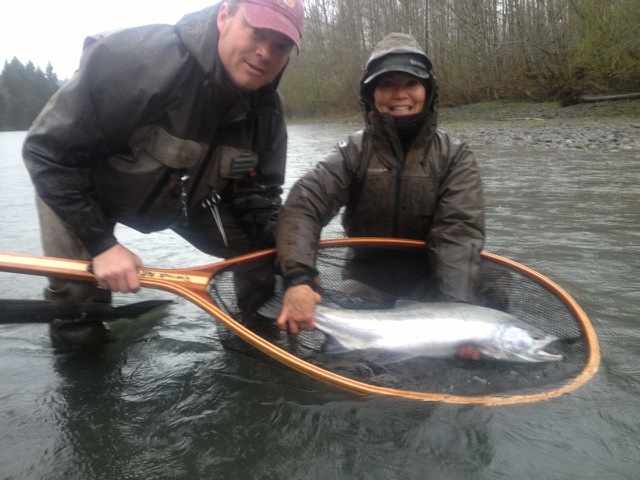
Love when the day starts off right! Remember, rocks don't swim!
Thanks to Jim and Lily for a great 3 days of fishing (even with the rain). Each day began with a fish right off the bat, literally first cast for Lily on Friday. And, as is often the case, we worked hard the rest of each day to net a couple more. First-time steelheaders on the OP, they were lucky to enjoy several (sporadic) hours of sunshine each day and they appreciated the natural beauty that IS the Olympic Peninsula.
|